
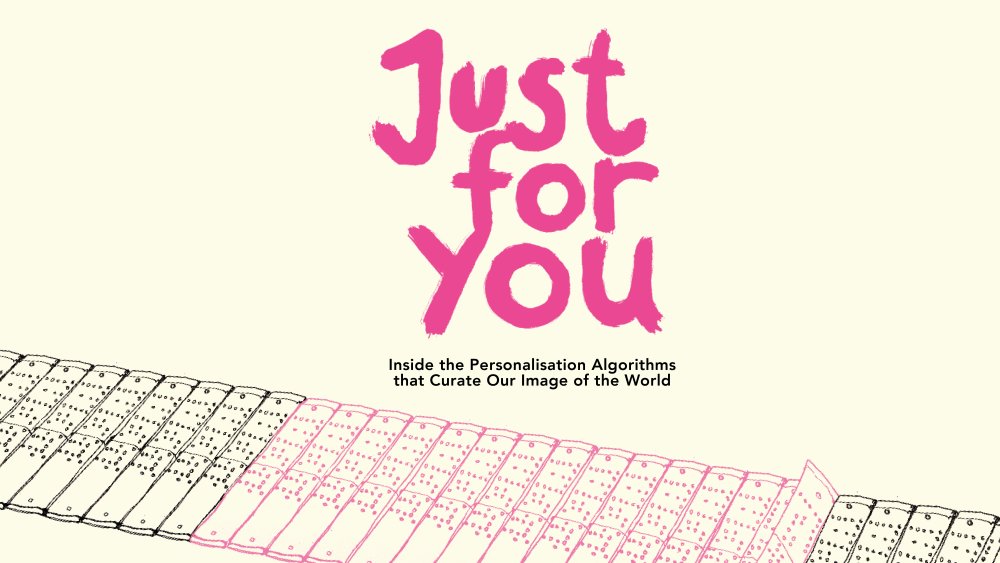
Published by Nordicom at the University of Gothenburg, the book Just for You: Inside the Personalisation Algorithms that Curate Our Image of the World explores the growing role of algorithms in journalism and the systems that increasingly influence which news and information reach us.
“When AI started entering the news media, I could see that something fundamental was changing. I thought, this is going to transform how we as citizens get informed. It's going to affect how our democracy is shaped and how our image of the world is curated. I wanted to understand what that meant”, says Jannie Møller Hartley, author of the book and professor of communication and journalism at Roskilde University.
Running alongside this contemporary story is that of Ada Lovelace – the nineteenth-century mathematician often described as the world’s first computer programmer. Her ideas about machines and computation offer a historical perspective on the technologies shaping journalism today.
“When I started reading about the history of algorithms, Ada Lovelace suddenly popped up”, Hartley explains. “I saw so many similarities between the way she thought about machines and the developers I observed during my fieldwork. I wanted to bring her into the book to emphasise the long history of algorithms, but also the similarities between how people talked about machines then and how we talk about them today”.
Taking the mystery out of algorithms
Over several years, Jannie Møller Hartley has closely followed the development of algorithms and AI through fieldwork in and around Danish news organisations. In the book, she combines ethnographic observations with research, historical storytelling, and illustrations – a format that differs from the traditional academic monograph.
“It was really important for me to reach different audiences than just the usual academic crowd, because this is something that affects all of us. I wanted people to engage in the same journey that I had been on myself. I wanted people to be with me on that journey into the machines”, she says.
A recurring theme throughout the book is that algorithms are not neutral. They are developed by people and reflect human priorities and values. As algorithms play an increasingly important role in selecting and personalising news, they also raise questions about journalism’s democratic mission and about who ultimately shapes our understanding of the world.
“We have a tendency to make algorithms into these mysterious forces that almost magically act on their own. But they don't do anything they haven't been told to do. It's like a recipe. Someone has made that recipe, and someone has decided what ingredients should go into it”, Hartley states.
The systems can be designed differently
Generative AI is already being used in news organisations, while algorithms are playing a growing role in how journalism reaches its audiences. Just for You places these developments in a broader context and asks what happens when decisions about the distribution of news increasingly become part of technological systems.
“The front page of a newspaper used to be quite decided by a journalist or an editor that would sit and say, this news story is super important because this is happening right now and people need to know about it”, Hartley explains. “But now this kind of decision of whether this story should be on the front page or further down, or only be distributed to some users and not others, has been put inside the algorithms”.
Ultimately, the book aims not only to increase understanding of AI and algorithms, but also to encourage a broader discussion about how the systems shaping our information environment can be designed in the future.
“I hope people come away with more curiosity and not be so distanced from these systems. If we know how they work and ask questions about them, then we can also influence them. These systems are not given. They can be designed differently, but we need to start the conversation about what values we want them to build on”, she concludes.
Read a longer interview with Jannie Møller Hartley published on NordMedia Network.